
If you run a UK business, you have probably been told you have an AI skills gap. You almost certainly do. But the usual diagnosis - that your people simply do not know enough about AI yet - is the wrong one, and spending against it wastes money.
On 10 June 2026, Skills England published the most detailed look yet at how AI training is actually working across the UK economy, drawing on research led by Royal Holloway and funded by the British Academy. The headline finding is not that workers are unaware of AI. It is that 44% of organisations already use it every day, while only 1% have scaled it properly. Awareness is not the problem. Capacity, structure and quality are.
I run two UK companies and lead a national skills programme across the East of England, so I see this from both ends - the employers trying to upskill the staff they have, and the schools shaping the workforce we will all hire from next. Here is what the research really says, what good AI training looks like, and the two moves every employer, and every school, should make now.
What the AI skills gap actually is
The phrase "AI skills gap" usually conjures an image of staff who have never touched ChatGPT. The reality is closer to the opposite. In the Skills England survey of 536 organisations, 66% were already using AI built into everyday software and 49% were using chatbots; over 44% reported reaching for AI tools daily.
So if people are already using AI, where is the gap? It sits between using a tool and using it well. Most organisations are stuck on the earliest rungs of adoption - 21% at "awareness" and 19% at "exploration", with just 1% reaching the point where AI is properly scaled across the business. Use tends to be informal, inconsistent and built on individual effort rather than any shared sense of what good looks like.
Here is the part that should make every leader sit up: 97% of organisations say they already provide some AI training. The gap is not access. It is effectiveness. Employers themselves named the biggest weaknesses in what is on offer - a lack of flexibility (51%), no clear skills framework (35%), and too little practical, contextual learning (34%). Training exists almost everywhere. Training that changes how people work does not.
Why capacity is the real constraint
When the researchers asked what actually stops organisations training their people, the answers were strikingly practical. The top enablers of participation were flexibility (50%), cost (46%) and staff capacity (44%). Awareness and perceived value barely registered. People know AI matters; they cannot find the time, money or headspace to get good at it.
The report puts it plainly: capacity, not awareness, is the binding constraint on workforce upskilling. That one sentence should reshape how you spend your training budget. If the constraint were awareness, a lunch-and-learn and a policy memo would fix it. Because the constraint is capacity, the fix has to be structural - protected time, affordable and flexible formats, and training designed to fit around real jobs instead of competing with them.
Most conversations about the AI skills gap start in the wrong place. Employers do not need more awareness that AI matters; they had that eighteen months ago. What they are missing is the time, the structure and the confidence to turn "we use ChatGPT sometimes" into capability they can trust. That is a training-design problem, and a fixable one.
It also explains why so much AI training quietly fails. It is run as a one-off event, pitched at the confident digital users who need it least, and cut off from the tasks people actually do all day. Solve the capacity problem and the skills follow.
What good AI training looks like: the PRIMES test
The most useful thing in the new guidance is a simple way to judge training quality. Skills England calls it PRIMES, and it sets six tests any AI course should pass. Good training is Practical (tied to real tasks and decisions, not generic tool tours), Reachable (accessible in time, cost, format and language), Integrated (built into the systems, standards and governance people already work within), Modular (short, stackable units rather than one marathon session), Expandable (able to scale across roles and teams) and Sustainable (kept current as the tools change, with responsible use built in from the start).
It is a strong checklist to carry into any conversation with a provider. If a course cannot show you how it links to your people's real work, how it fits around their week, and how it stays current, it will struggle to move the needle.
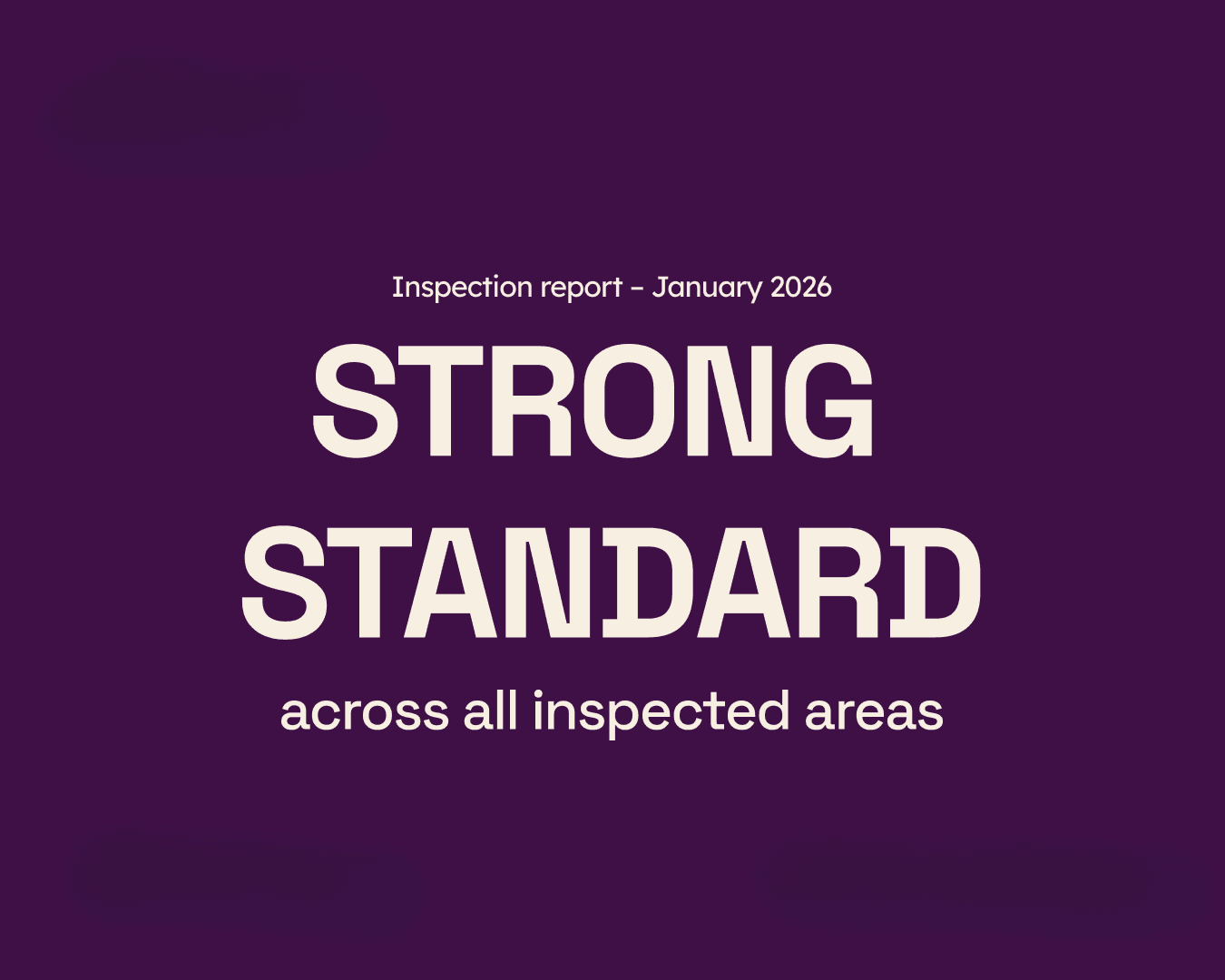
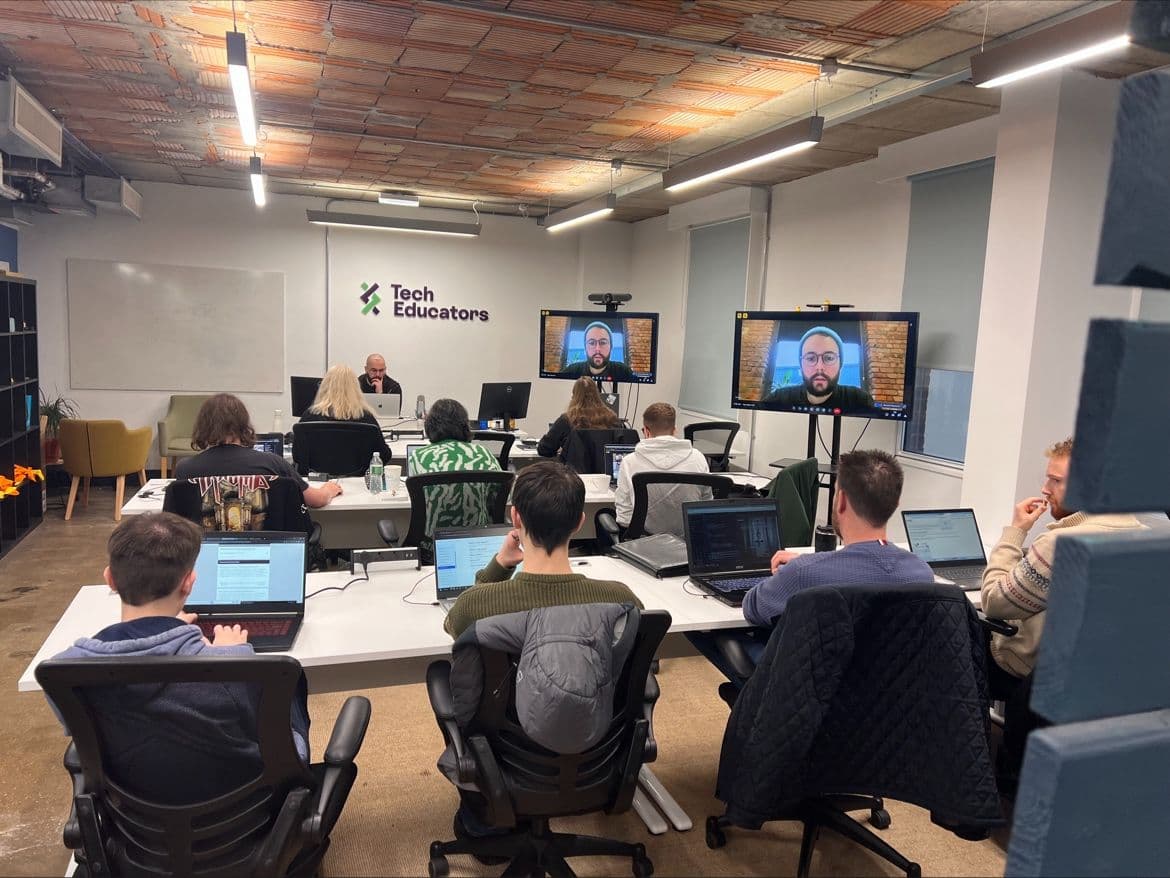
I will be upfront here: this is broadly how we built our own courses at Tech Educators, because we kept hitting the same wall the research describes. Our AI Literacy Bootcamp is a Level 3 course designed to be reachable and modular - flexible, part-time, with funded places in several regions - and it puts responsible, ethical use at the centre rather than treating it as an afterthought. We are an Ofsted-inspected provider rated "Strong", which matters more now that "we ran some AI training" is something almost any organisation can claim.
The AI skills your team actually needs
The research groups AI skills into three types, and the smartest move is to build all three together rather than chase the flashiest one.
Technical skills - writing clear prompts, using low-code automation, knowing what a tool can and cannot do - are where employers report the biggest shortfall (67%). But they are not the whole story. Non-technical skills, like judging when AI is the right tool for a task at all, matter too, with a 10% reported gap. And responsible or ethical skills - spotting bias, protecting confidential data, keeping a human in the loop - sit in between, flagged by a third of employers (32%).
That middle group is the one businesses underrate most, and it is getting more important as regulation arrives. If you want a plain-English sense of why, our guide to the EU AI Act walks through what the new rules mean for UK organisations. The short version: confident, responsible AI use is now a core professional skill, not a nice-to-have, and any training worth paying for should treat it that way.
How to close the gap in your business
The guidance pairs PRIMES with a simple sequence employers can follow, and it maps neatly onto how we work with businesses.
Start by being honest about your stage. Most organisations are earlier than they would like to admit - somewhere around awareness or exploration - and that is fine, as long as you do not pretend otherwise. Then define the skills each role actually needs, using the three categories above. Protect real time for people to learn; this is the step most often skipped, and the one that most reliably decides whether training sticks. Finally, choose training that passes the PRIMES test.
Where do our courses fit? For leaders, the Leadership and Management: Digital Transformation Bootcamp is a Level 5 course aimed squarely at the people who set the rules and the budget - the research is blunt that weak leadership buy-in, flagged by 22% of employers, is one of the quietest killers of AI adoption. For whole teams, the AI Literacy Bootcamp builds the baseline confidence and responsible-use habits everyone now needs. And for marketing teams the gap is especially stark: the Chartered Institute of Marketing found that while nearly half of marketers already use AI regularly, just 4% feel confident implementing it professionally. Our Digital Marketing with AI Bootcamp is built to close exactly that gap - AI woven into real marketing work, not bolted on as a content shortcut.
If you would rather talk it through than pick a course off the shelf, that is what our team works with businesses to do.
The other half of the gap: building the pipeline
Everything so far is about the workforce you already have. But the AI skills gap has a second half that employers feel and rarely name: the pipeline of young people coming up behind them. Retrain your current team all you like - if the next generation arrives without curiosity or confidence in technology, the gap simply reopens.
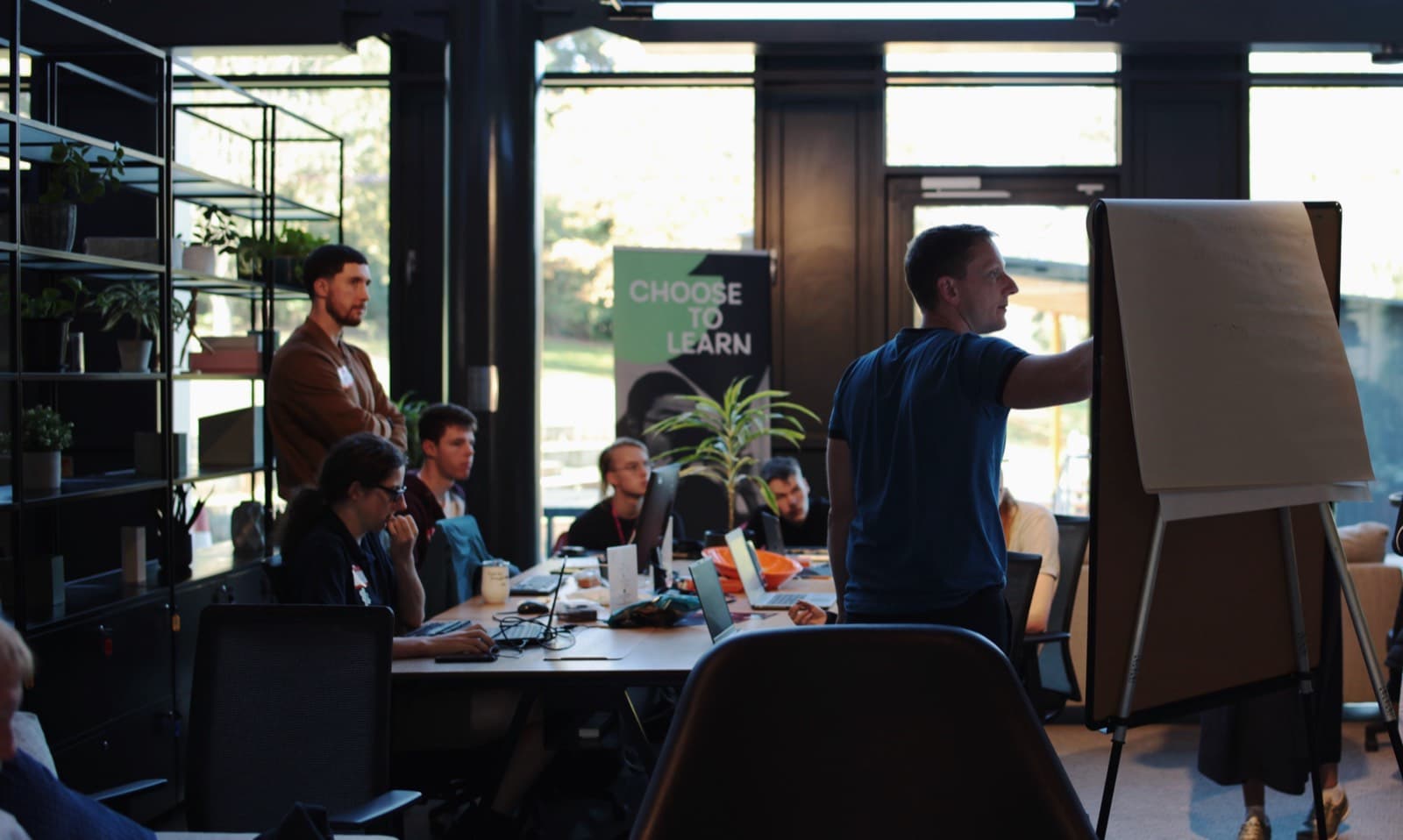
This is the work I spend the other half of my week on. Tech Educators delivers TechFirst, the Government's national programme to give school-age young people real exposure to digital skills and tech careers, across the East of England. Nationally, TechFirst's youth strand aims to reach a million students; our regional delivery brings expert-led workshops in AI, machine learning and Python into schools across Norfolk, Suffolk, Essex, Cambridgeshire, Hertfordshire and Bedfordshire, with deliberate priority for schools in the most disadvantaged communities and a target of more than half the participants being girls.
You cannot close a national skills gap one cohort of adults at a time. You have to work both ends of the pipeline - retraining the people who are in work today, and making sure the fourteen-year-old in Great Yarmouth can picture a tech career as something for her. We are trying to do both.
If you are a school, council or employer in the East of England who wants to be part of that, we would love to hear from you.
What to do now
You do not need a transformation programme to start. You need to fix the capacity problem.
Audit how AI is really being used across your team - informally, unevenly, and probably more than you think. Protect time for people to learn properly instead of squeezing it around the day job. Judge any training against PRIMES - if it is not practical, flexible and current, keep looking. And build the baseline before you scale - get everyone confident and responsible with the tools before you chase the advanced use cases.
If you want a head start, the AI Literacy Bootcamp builds team-wide confidence, Leadership and Management equips the people who set the strategy, and Digital Marketing with AI sharpens the function feeling the pressure most. And if you would rather we shaped something around your business, talk to our team.
The organisations that close the gap will not be the ones that ran the most training. They will be the ones that ran the right training, gave people the time to absorb it, and kept building the pipeline behind them.
Frequently asked questions
What is the AI skills gap? The AI skills gap is the distance between how widely AI is used and how well it is used. In the UK most organisations already use AI tools - over 44% daily - but only 1% have scaled it effectively, so the gap is in confident, safe, productive use rather than in awareness.
Is the AI skills gap really an awareness problem? No. Skills England's 2026 research found that capacity, not awareness, is the binding constraint on workforce upskilling. The main barriers to training are flexibility, cost and staff time, not a lack of interest or understanding.
What AI skills do employees need? Three types: technical skills (prompting, automation, knowing a tool's limits), non-technical skills (judging when to use AI), and responsible or ethical skills (handling bias, data and human oversight). Employers report the biggest gap in technical skills at 67%, but the strongest training builds all three together.
What does good AI training look like? Skills England's PRIMES framework sets six tests: training should be Practical, Reachable, Integrated, Modular, Expandable and Sustainable. In short, it should link to real work, fit around people's time, and stay current as the tools change.
How can employers close the AI skills gap? Identify your stage of AI adoption, define the skills each role needs, protect real time for learning, and choose practical, modular training that passes the PRIMES test. Building the future pipeline - through schools and early-careers programmes - matters too.
James Adams is the founder and CEO of Tech Educators, an Ofsted-inspected training provider, where he leads AI literacy and digital transformation training for UK businesses and directs the TechFirst youth skills programme across the East of England.

James Adams
James has 8 years with Fortune 200 US firm ITW, experience of managing projects in China, USA, and throughout Europe. James has worked with companies such as Tesco, Vauxhall, ITW, Serco, McDonalds. James has experience in supporting start-up and scale up companies such as Readingmate, Gorilla Juice and Harvest London. James completed his MBA at the University of East Anglia in 2018.