
If you're reading this, you've probably already talked yourself out of learning to code at least once. Too old. Too late. Too far behind the 22-year-olds with Computer Science degrees.
Here's the thing: we've taught hundreds of career changers at Tech Educators, and the ones who do best are rarely the youngest in the room. They're the ones who bring focus, motivation, and real-world experience that younger learners simply don't have yet.
So is it too late to learn to code? Let's look at what actually happens when adults make the switch.
Age Is Not the Barrier You Think It Is
The idea that coding is a young person's game comes from a specific image: hooded teenagers in dark rooms, Silicon Valley interns in their early twenties, university students pulling all-nighters. It's a stereotype, and it's wrong.
Research from the National Centre for Universities and Business shows that adult learners consistently outperform younger students in vocational skills training when motivation is high. Adults bring structured thinking, problem-solving experience, and — crucially — an understanding of why they're learning, not just what.
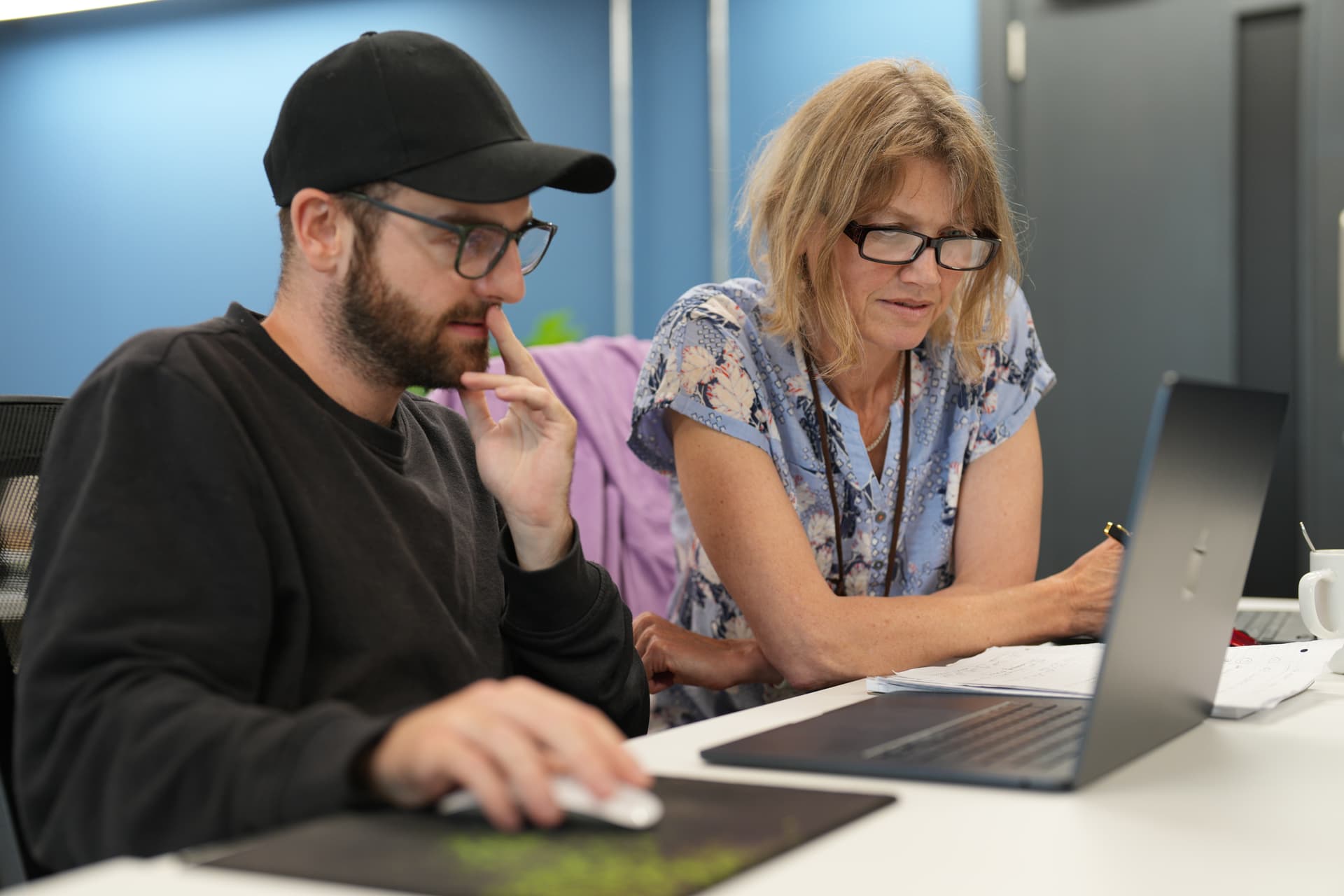
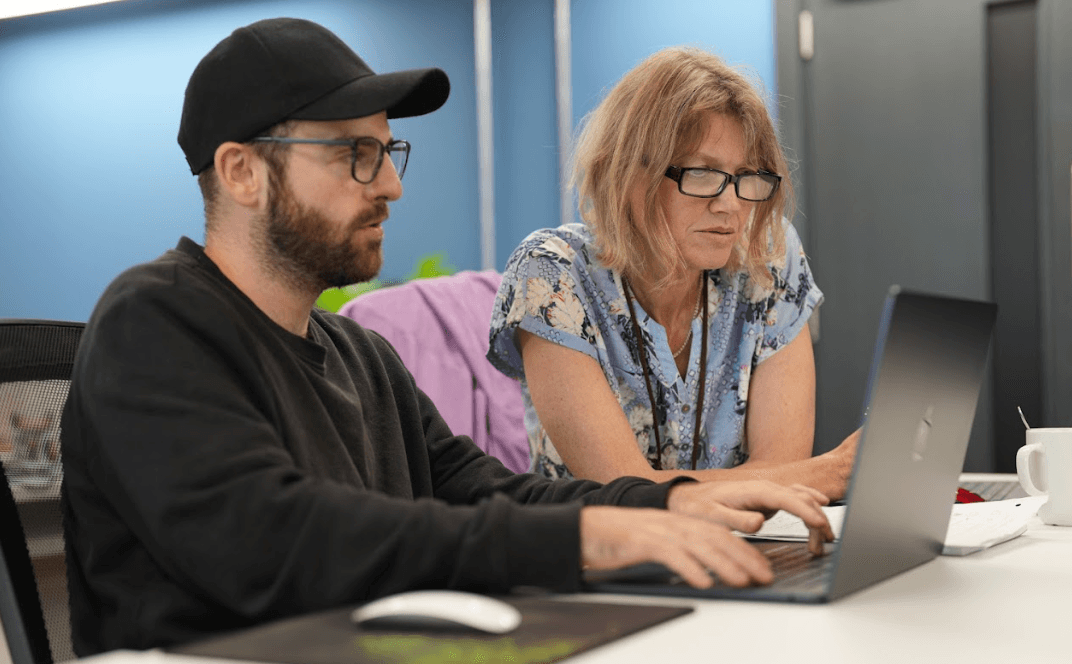
At Tech Educators, we've seen career changers arrive from teaching, nursing, finance, retail, and the military. A 25-year-old with no work experience and a 45-year-old project manager both start the same bootcamp. By week six, the project manager often has the edge — because they understand workflows, deadlines, and how to break complex problems into manageable pieces. Those are programming skills, even if they've never written a line of JavaScript.
What Actually Makes Learning to Code Hard (It's Not Age)
The real barriers to learning to code have nothing to do with your birth year.
Imposter syndrome
Every single career changer we've worked with has experienced this. The feeling that everyone else "gets it" faster, that you're falling behind, that you don't belong. It's universal — and it passes. The bootcamp structure helps because you're surrounded by people going through the same thing. Nobody's pretending they already know it all.
Time management
If you're learning while working, caring for children, or managing other responsibilities, finding consistent time to study is genuinely difficult. This is where structured programmes beat self-study: a coding bootcamp gives you a fixed schedule, deadlines, and accountability. You don't have to figure out what to learn next — the curriculum does that for you.
The "blank screen" problem
Sitting down to write code from scratch is intimidating. But modern development isn't about memorising syntax — it's about understanding logic and knowing where to find answers. Professional developers Google things constantly. The skill isn't knowing everything; it's knowing how to find what you need and apply it.
Real Career Changers Who Made the Switch
These aren't hypothetical examples. They're people who came through Tech Educators.
Max Pollock graduated from our Software Development Bootcamp and started his tech career the following week. His background? Careers advice. He brought communication skills and an understanding of what employers look for — skills that made him a standout candidate. Read Max's full story.
Fee Kempton spent 25 years as a teacher before retraining through our bootcamp. She's now a global digital platforms and product manager at Pearson. Her teaching experience — breaking down complex ideas, managing groups, working to deadlines — translated directly into tech. Read Fee's journey.
Elisa Edson landed a development role within weeks of graduating. Their advice to anyone considering the switch: just start. The uncertainty doesn't go away until you're actually doing it. Read Elisa's story.
None of them were teenagers. All of them had lives, mortgages, and responsibilities. And all of them made it work.
What You'll Actually Learn (And How Long It Takes)
A full-stack coding bootcamp typically runs 12 to 16 weeks. In that time, you'll cover front-end development (HTML, CSS, JavaScript, React), back-end development (Node.js, databases), and the tools that connect them (Git, APIs, deployment).
That sounds like a lot — and it is. But it's designed to be intensive and practical. You're not writing essays about programming theory. You're building projects from day one, learning by doing, and finishing with a portfolio that demonstrates what you can actually build.
By the end, you won't know everything. No developer does. But you'll have the foundation to start working, keep learning on the job, and grow your skills in whatever direction your career takes you.
If you want to know what bootcamp prep looks like, our preparation guide covers everything you should do before day one.
The Cost Question
A 12-week bootcamp costs a fraction of a university degree — and takes a fraction of the time. At Tech Educators, our Software Development Bootcamp is priced at £5,000, compared to an average three-year degree cost of £27,750 in tuition fees alone (before living costs).
Funded places are available in several UK regions through the government's Skills Bootcamp programme, which means some learners pay nothing at all. Contact our team to find out whether funding is available in your area.
For career changers with financial commitments — mortgages, families, existing debts — the shorter timeline and lower cost make bootcamps a genuinely viable route that a three-year degree simply isn't.
When It Might Not Be Right for You
Honesty matters. Learning to code isn't for everyone, and age isn't the deciding factor — motivation is.
If you're looking for a completely passive learning experience where someone tells you exactly what to do at every step, a bootcamp probably isn't the right fit. Bootcamps require active problem-solving, self-directed study between sessions, and a willingness to sit with discomfort when things don't work the first time (which they won't).
If you genuinely enjoy logical thinking, problem-solving, and building things — even if you've never written code before — you have the right foundation. The technical skills can be taught. The mindset can't.
Your Next Step
The only way to know if coding is right for you is to try it. Not to read another article about it, not to watch another YouTube video — to actually write some code and see how it feels.
Start with a free resource like freeCodeCamp or The Odin Project. Spend a weekend on the basics. If you find yourself wanting to keep going — if the frustration of debugging feels more like a puzzle than a punishment — you've got your answer.
When you're ready for structured, instructor-led training with career support built in, explore our Software Development Bootcamp or get in touch to talk through your options.

James Adams
James has 8 years with Fortune 200 US firm ITW, experience of managing projects in China, USA, and throughout Europe. James has worked with companies such as Tesco, Vauxhall, ITW, Serco, McDonalds. James has experience in supporting start-up and scale up companies such as Readingmate, Gorilla Juice and Harvest London. James completed his MBA at the University of East Anglia in 2018.