
Your first coding interview is terrifying. There's no way around that. You're going to sit in front of someone (or a screen) and be asked to demonstrate skills you've been learning for weeks, not years.
But here's what most interview prep guides won't tell you: junior developer interviews aren't designed to catch you out. They're designed to see how you think, how you communicate, and whether you'd be someone the team enjoys working with. The bar is lower than you think — and higher in areas you might not expect.
What Coding Interviews Actually Look Like
The format varies, but most junior roles follow a predictable structure.
The initial call
Usually 20 to 30 minutes with a recruiter or hiring manager. They're checking basics: can you explain your background clearly, do you understand what the role involves, and are your salary expectations realistic? This isn't a technical test — it's a conversation. Be honest about being a career changer or bootcamp graduate. Most employers hiring juniors already expect this.
The technical assessment
This might be a take-home project, a live coding session, or a pair-programming exercise. Take-home projects are the most common for junior roles because they let you work at your own pace and show your best work. Live coding exercises are rarer at junior level, but they do happen.
The key thing to understand: employers aren't expecting perfect code. They're looking for clean structure, readable naming, evidence that you understand the fundamentals, and — most importantly — how you approach problems you haven't seen before.
The team interview
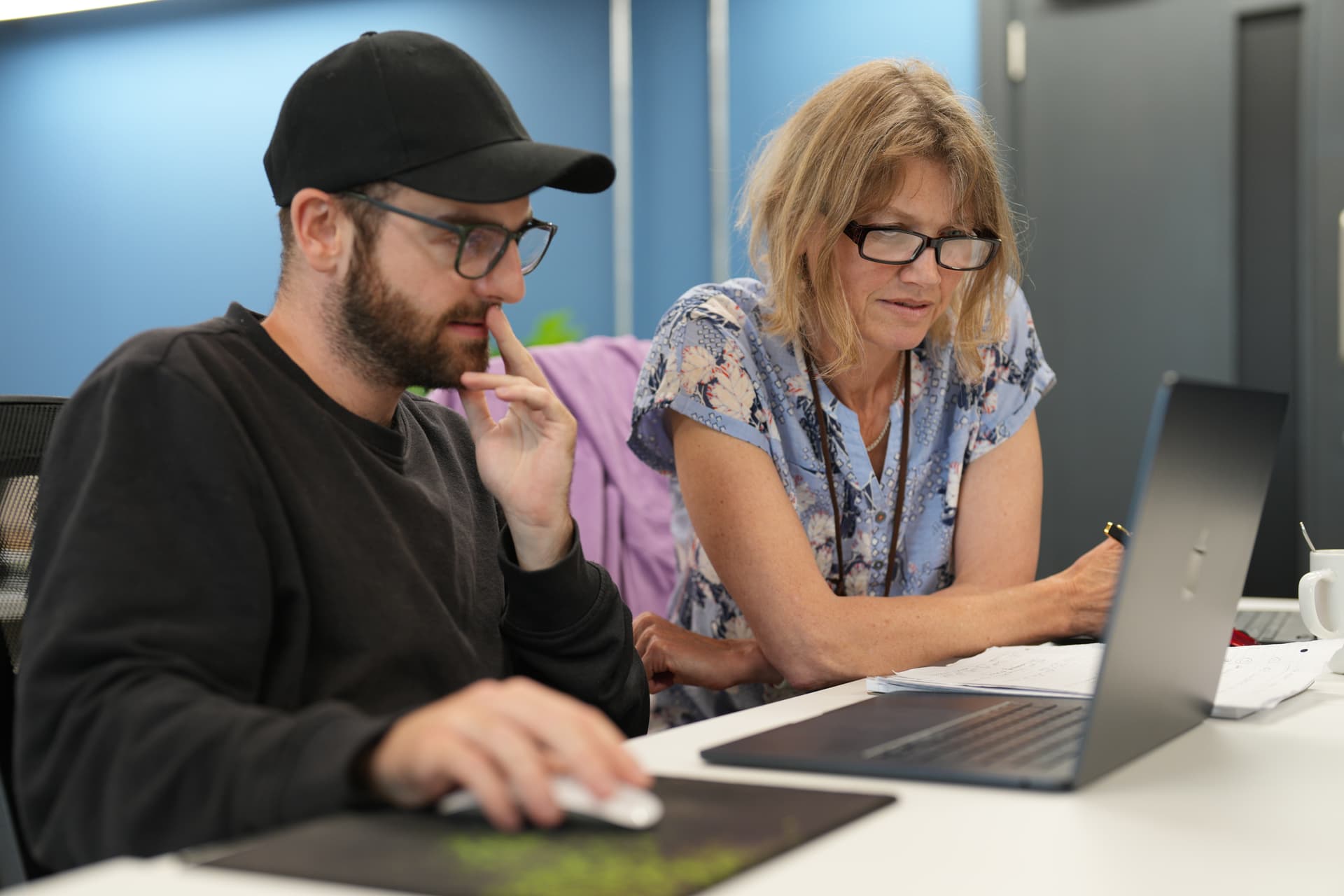
Often the final stage. You'll meet developers you'd be working with. They want to know if you're curious, teachable, and honest about what you don't know. This is where career changers often shine — your communication skills, professionalism, and ability to explain complex ideas clearly are genuine advantages.
How to Prepare Without Losing Your Mind
The internet is full of coding interview prep advice that's aimed at mid-level engineers applying to Google. Ignore most of it. Here's what actually matters for your first role.
Build one project you can talk about deeply
You don't need ten portfolio projects. You need one that you understand inside out. Pick the best project from your bootcamp or build something new that solves a real problem — even a small one.
When you talk about this project in an interview, you should be able to explain every decision: why you chose that framework, how you structured the data, what you'd do differently next time, and what bugs you encountered and how you fixed them. That level of depth tells an interviewer more than a dozen half-finished repos.
Practice explaining your code out loud
The biggest gap between bootcamp and interview isn't technical — it's communication. You might write perfectly good JavaScript but freeze when asked to explain what it does and why.
Practice with a friend, a mentor, or even a rubber duck. Walk through your code line by line, explaining what each part does and why you wrote it that way. This builds the muscle memory you need for live technical discussions.
Learn to say "I don't know" properly
You will be asked questions you can't answer. This is normal and expected. The wrong response is to bluff. The right response is to be honest and then show your thinking.
Something like: "I haven't worked with that before, but based on what I know about [related concept], I'd approach it by..." This demonstrates exactly what employers want in a junior: honesty, willingness to learn, and the ability to reason from first principles.
Prepare questions that show genuine interest
At the end of every interview, you'll be asked if you have questions. Generic questions ("What's the culture like?") are forgettable. Specific questions show you've done your homework.
Try asking about their tech stack, how they onboard juniors, what a typical first month looks like, or what the most challenging project the team has worked on recently was. These questions also help you figure out whether this is somewhere you actually want to work.
Common Mistakes to Avoid
Over-preparing for algorithm puzzles. Some companies do use LeetCode-style problems, but most UK employers hiring juniors don't. Focus your energy on understanding fundamentals — how the DOM works, how APIs communicate, how databases store and retrieve data — rather than memorising sorting algorithms.
Hiding your bootcamp background. Employers hiring juniors know you're a bootcamp graduate. Trying to present yourself as something you're not is transparent and counterproductive. Own your journey — the fact that you chose to retrain, invested your time and money, and completed an intensive programme is a strength.
Applying only to advertised roles. Many junior positions are filled through referrals and networking. Attend local meetups, join developer communities, and connect with people on LinkedIn. Events like HackEd Norwich are specifically designed to connect aspiring developers with potential employers and mentors.
Waiting until you feel "ready." You will never feel ready. Apply when you have a portfolio project you're proud of, you can explain your code clearly, and you understand the basics of the role you're applying for. The interview process itself is a learning experience — each one makes you better at the next.
After the Interview
If you don't get the role, ask for feedback. Not every company provides it, but when they do, it's invaluable. Common junior feedback includes things like "needs more experience with testing" or "would benefit from a more complex portfolio project" — specific, actionable things you can work on before the next interview.
If you do get the role, congratulations. Your first day will be overwhelming and that's completely normal. Every senior developer in your new team was a terrified junior once.
Getting Interview-Ready
Our Software Development Bootcamp includes interview preparation, CV workshops, and portfolio reviews as part of the programme — not as optional extras. Graduates like Elisa Edson and Max Pollock have talked about how this support shaped their confidence going into interviews.
If you're earlier in your journey, our bootcamp preparation guide covers what to learn before day one, and our career change guide walks through the full transition process.

James Adams
James has 8 years with Fortune 200 US firm ITW, experience of managing projects in China, USA, and throughout Europe. James has worked with companies such as Tesco, Vauxhall, ITW, Serco, McDonalds. James has experience in supporting start-up and scale up companies such as Readingmate, Gorilla Juice and Harvest London. James completed his MBA at the University of East Anglia in 2018.