
You want to learn to code, but you can't quit your job to do it. A part-time evening bootcamp sounds like the answer — study after work, keep your income, and transition into tech on your own terms.
That's the promise. Here's what it actually looks like in practice.
The Typical Schedule
Most part-time coding bootcamps run two to three evenings per week, usually from around 6:30pm to 9:30pm, plus some weekend study time. The total programme length stretches to 20 to 30 weeks — roughly double the duration of a full-time bootcamp — because you're covering the same material in fewer hours per week.
You'll also need to budget time for self-study between sessions. Expect to spend an additional 10 to 15 hours per week working through exercises, building projects, and reviewing concepts. This is where the real learning happens — the evening sessions introduce ideas, but the independent work is where they stick.
What the Evenings Feel Like
The first few weeks feel manageable. You're covering fundamentals — HTML, CSS, basic JavaScript — and the pace feels reasonable. You finish sessions feeling like you've learned something concrete.
Around weeks four to six, things shift. The concepts get more abstract (functions, objects, APIs), and the gap between "I understand this in theory" and "I can build something with it" starts to widen. This is the point where every bootcamp student — full-time or part-time — questions whether they're cut out for this.
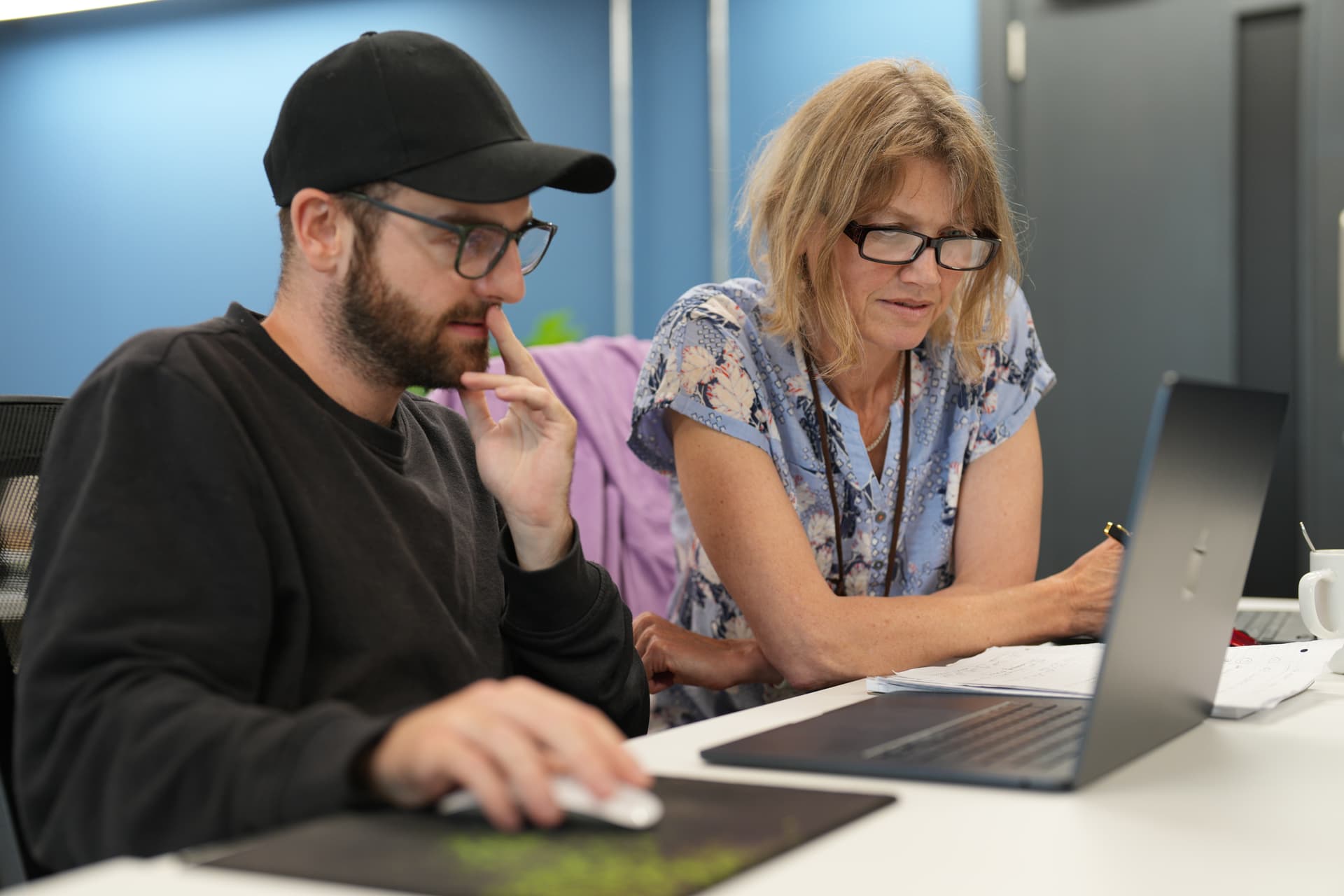
They almost always are. The doubt is universal, and it passes. Having an instructor available to explain concepts in real time, rather than rewatching a YouTube video for the fifth time, is genuinely the difference between pushing through and giving up.
The Real Challenge: Energy Management
Nobody talks about this enough. Learning something cognitively demanding after a full day of work is exhausting. Your brain has already been solving problems, making decisions, and processing information for eight hours. Now you're asking it to learn something fundamentally new.
Some practical strategies that work for our evening learners.
Eat before the session. It sounds obvious, but arriving hungry tanks your concentration faster than anything.
Lower your expectations for session days. If you normally exercise after work or have evening commitments, something will need to give on bootcamp days. Accept this upfront rather than trying to maintain your full schedule.
Protect your weekends. The weekend study hours aren't optional — they're where you consolidate what you learned during the week. Block out Saturday mornings (or whenever works for you) and treat them as non-negotiable.
Communicate with your household. If you live with a partner, family, or housemates, tell them what you're doing and what you need from them. "I need two quiet hours on Saturday mornings for the next six months" is a reasonable ask — but only if you actually make it.
Who It Works Best For
Part-time evening bootcamps suit people who have a stable daily routine they don't want to disrupt. If you're in a job you don't hate but want to transition out of over time, evening study lets you build skills without the financial stress of quitting.
It also works well for people with financial commitments that make full-time study impossible. Mortgages don't pause because you're retraining, and funded places on Skills Bootcamps can remove the tuition cost entirely.
Career changers like Fiona Kempton — who had 20 years of experience in education before retraining — demonstrate that the part-time approach can lead to significant career shifts when combined with persistence and genuine interest.
Who Might Be Better Suited to Full-Time
If you can afford to study full-time — financially and logistically — the intensive format gets you to the same destination faster. A 12-week full-time Software Development Bootcamp covers the same curriculum as a part-time programme but compresses it into a period where coding is your primary focus.
Full-time suits people who've already left their previous role, have savings or funding to cover living costs, and want to minimise the gap between "deciding to retrain" and "being job-ready."
There's no objectively better option. The right choice depends on your circumstances, not your ambition.
What You Finish With
Whether you study full-time or part-time, you'll finish with the same practical outcomes: a portfolio of projects that demonstrate your abilities, experience working with a team on shared codebases, and — if you've chosen a programme with career support — interview preparation and employer connections.
The job search after a part-time bootcamp looks the same as after a full-time one. Employers care about what you can build and how you communicate, not how quickly you learned it.
Finding the Right Programme
If you're weighing up part-time versus full-time, talk to our team. We'll help you figure out which format fits your life — and whether funded places are available in your region. You can also read more about preparing for a bootcamp to understand what to expect before day one.

James Adams
James has 8 years with Fortune 200 US firm ITW, experience of managing projects in China, USA, and throughout Europe. James has worked with companies such as Tesco, Vauxhall, ITW, Serco, McDonalds. James has experience in supporting start-up and scale up companies such as Readingmate, Gorilla Juice and Harvest London. James completed his MBA at the University of East Anglia in 2018.